Mapping Affiliate Pathways: How Support Protocols and Contractual Rules Shape High-Stakes Poker Access Through Webmaster Networks
Jonas Schmitz · Nov 20, 2026
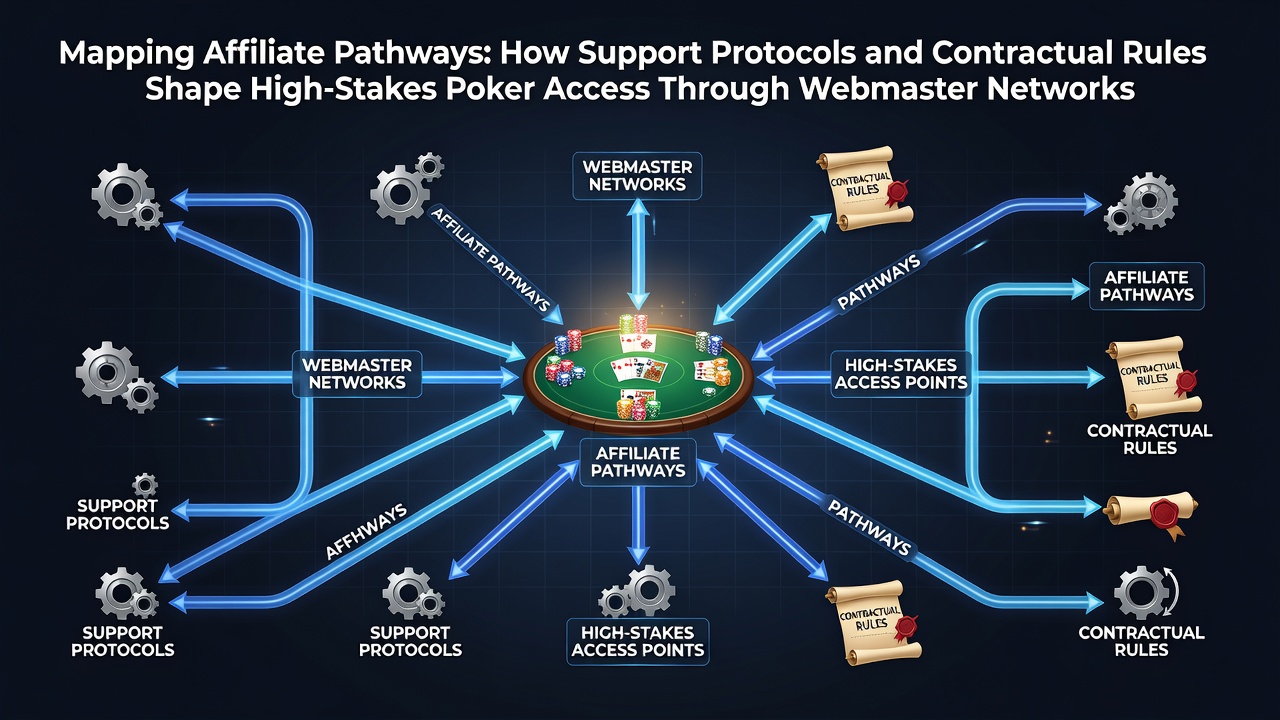
Mapping Affiliate Pathways: How Support Protocols and Contractual Rules Shape High-Stakes Poker Access Through Webmaster Networks
Webmaster networks serve as critical bridges in digital gambling ecosystems, channeling high-stakes poker players from initial affiliate promotions into exclusive VIP environments, and these pathways depend heavily on structured support protocols alongside binding contractual frameworks that dictate access levels and compliance standards. Data from industry reports indicate that affiliate arrangements often determine whether players receive priority routing to premium tables or remain in standard queues, particularly as operators enforce rules around traffic quality and retention metrics.
Contractual Foundations in Poker Affiliate Systems
Contracts between poker operators and webmasters outline specific performance benchmarks, commission structures, and exclusivity clauses that directly influence how traffic flows toward high-limit games, while support protocols provide the operational backbone for resolving issues like tracking discrepancies or bonus eligibility disputes. Researchers at academic institutions have documented that these agreements frequently include clauses requiring affiliates to maintain certain player quality thresholds, which in turn shapes whether high-rollers gain seamless entry to private tournaments or restricted cash games. Observers note that such rules create layered pathways where webmasters wth proven compliance histories receive enhanced support resources, including dedicated account managers and real-time analytics tools.
Contract terms also specify geographic restrictions and licensing requirements that align with regional regulations, and this alignment becomes especially relevant as new frameworks emerge ahead of November 2026 deadlines in multiple jurisdictions. Those who study affiliate ecosystems find that violations of these terms can trigger immediate pathway restrictions, cutting off access to VIP programs for entire player segments routed through non-compliant networks.
Role of Support Protocols in Pathway Navigation
Support protocols encompass everything from automated ticket systems to live chat escalations that webmasters use when guiding players through onboarding for high-stakes sessions, and these mechanisms ensure contractual obligations around player verification and responsible gaming are met without delays. Figures from regulatory analyses reveal that efficient support reduces friction points that might otherwise divert traffic away from premium poker rooms, allowing affiliates to maintain steady commission flows from sustained high-value activity. People who've examined these systems often discover that protocols include escalation paths tied directly to contract performance reviews, creating feedback loops where faster resolutions lead to expanded access privileges.
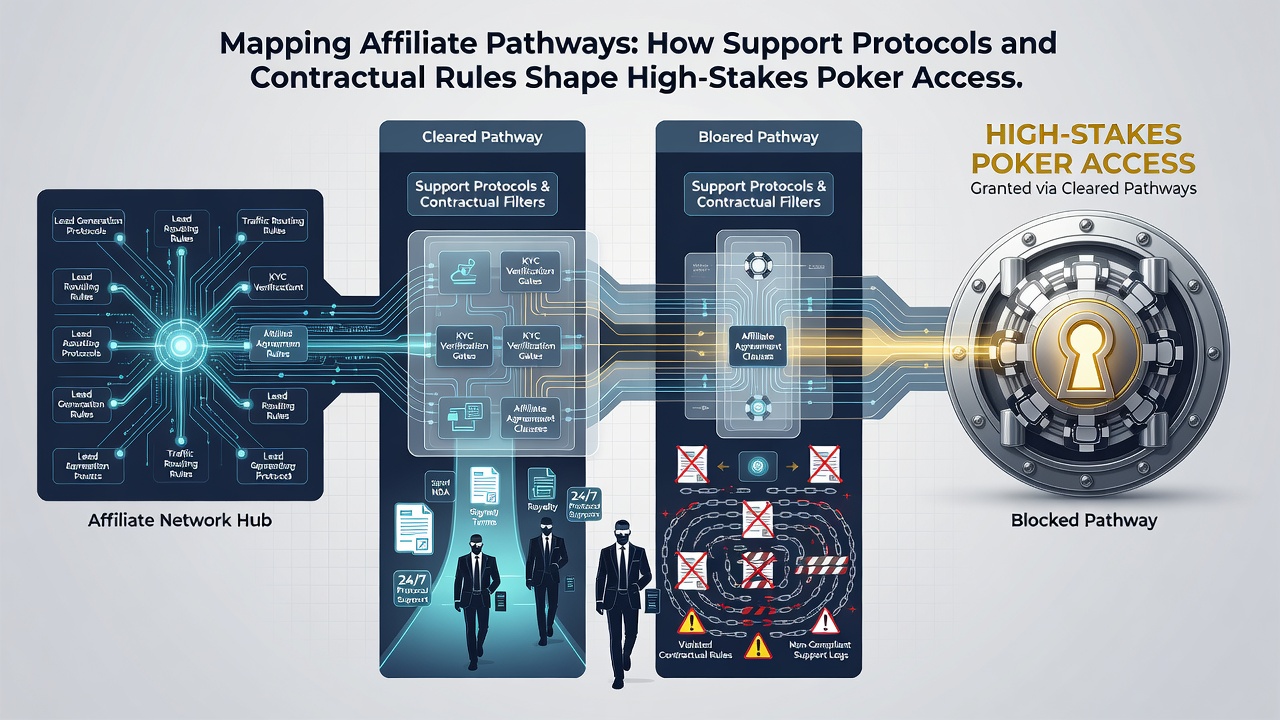
Operators integrate these protocols with tracking software that monitors every click and conversion, and this integration helps enforce rules around multi-accounting or bonus abuse that could otherwise compromise high-stakes integrity. According to reports from the American Gaming Association, standardized support procedures have correlated with measurable increases in verified high-roller retention across networked platforms, particularly when affiliates operate under clear contractual guidelines for dispute handling.
Geographic and Regulatory Influences on Access
Regional differences in gambling oversight further complicate these pathways, as contracts must incorporate varying standards from bodies like those in Australia and Canada, and support teams adapt their responses accordingly to keep traffic moving toward compliant high-stakes options. A study published through Canadian university research channels highlights how affiliates navigating cross-border rules rely on protocol-driven communication to secure approvals for VIP transfers, preventing abrupt pathway closures due to mismatched licensing details. Yet the reality is that these adaptations create distinct network clusters where webmasters with multi-jurisdictional expertise maintain stronger connections to elite poker access points.
Contractual rules around data privacy and player consent add another dimension, requiring affiliates to route information through verified channels that support teams monitor for accuracy, and this process directly affects whether players unlock advanced features like custom table invites or personalized rake structures. Evidence from industry association reviews shows that networks prioritizing protocol adherence tend to sustain longer-term partnerships, resulting in more consistent high-stakes player migration patterns over time.
Conclusion
Overall, the interplay between support protocols and contractual rules continues to define how webmaster networks facilitate or restrict high-stakes poker access, with data indicating ongoing evolution tied to regulatory timelines like those approaching in November 2026. Those tracking these systems note that clear documentation and responsive support remain central to maintaining viable pathways across diverse operational landscapes.